
Pelvic Floor Therapy: Symptoms, Causes, and Treatment Options
Pelvic Floor Therapy: Symptoms, Causes, and Treatment Options


Dr. Woods (Martin) and I have been focused on pelvic floor therapy for years. We have found it is a commonly misdiagnosed and ignored condition because no one likes to talk about the symptoms. And no one thinks to talk to their chiropractor about these issues. But everything in the body is connected and often you can not just treat one area and ignore the other and get results. We both have taken CEU classes and training to provide solutions for our patients.
Pelvic floor issues are more common than many people realize. Both men and women of all ages can experience pelvic floor dysfunction, which may lead to bladder problems, bowel issues, pelvic pain, and sexual dysfunction.
Fortunately, pelvic floor therapy offers safe, effective, and non-surgical treatment options to strengthen these muscles and restore normal function. This is not a condition you have to live with .
FAQ’s about Pelvic Floor Therapy
-
Can Men and Women Have Pelvic Floor Issues?
Yes. Both men and women can develop pelvic floor dysfunction.
Anatomy lesson: The pelvic floor is a group of muscles that support the bladder, bowel, and reproductive organs in BOTH men and women. When these muscles become weak, tight, or damaged, it can affect several functions of the body.
Several factors can contribute to pelvic floor weakness or dysfunction.
- Trauma or Physical Stress: Pelvic floor muscles may become weakened or damaged due to Cancer treatments, Pregnancy or childbirth, trauma, injury, or surgery
- Hormonal Changes and Aging: Hormonal shifts during perimenopause and menopause can weaken pelvic muscles
- Genetic or Lifestyle Factors – In some cases, pelvic floor weakness can occur naturally due to genetics, posture, chronic straining, weight gain or loss.
-
Symptoms of a Weak Pelvic Floor
Many ignore their symptoms because they are embarrassed or just think that is part of life.
- Urinary Symptoms: Urinary incontinence, Frequent urination, Leakage when coughing, sneezing, or exercising
- Bowel Symptoms: Constipation, pain or discomfort during bowel movements, bowel leakage
- Pelvic Pain or Pressure: Unexplained pelvic pain, pressure, heaviness, pelvic organ prolapse
- Sexual Dysfunction: Decreased sensation, pain during intimacy, difficulty with sexual function
-
What Does Pelvic Floor Treatment Look Like?
A typical pelvic floor therapy program may include 6–12 treatment sessions, often scheduled 2–3 times per week. Treatment plans are customized for each patient and may include a combination of therapies.
- Physical Therapy-Targeted exercises help strengthen and stretch the pelvic floor muscles and surrounding muscle groups.
- Chiropractic Care –Correcting spinal alignment can improve nerve communication between the brain and pelvic muscles, helping restore proper pelvic floor function.
- Pelvic Floor Chair Therapy –A specialized HIFEM (High-Intensity Focused Electromagnetic) therapy chair stimulates and strengthens pelvic floor muscles without surgery or invasive procedures.
-
What Is the Pelvic Floor Chair?
The pelvic floor chair is an FDA-cleared medical device that uses High-Intensity Focused Electromagnetic (HIFEM) technology to stimulate deep pelvic muscles. Many patients describe the treatment as similar to interval training directly targeting the pelvic floor muscles.
-

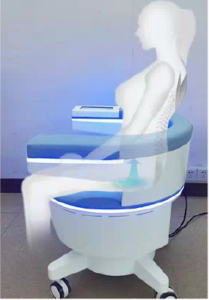
NO! The treatment is painless it feels a little “funny” the first time as it is hard to describe how it feels. Patients also control the intensity. All patients remain fully clothed for the treatment.
-
Are There Side Effects to Pelvic Floor Therapy?
Pelvic floor therapy is considered safe and low risk with little to no side effects. Most patients experience improvement in sympt
oms quickly some patients begin noticing improvements within the first week of treatment.
-
Could Pelvic Floor Therapy Help Me?
You may benefit from pelvic floor treatment if you experience:
- Urine leakage when coughing, sneezing, laughing, or exercising
- Frequent nighttime urination
- Reduced sensation or function during intimacy
- Pelvic heaviness or discomfort
-
I have had issues with Urinary Incontinence for years.
One of our patients in her 80’s has had issues since the 1990’s. Way, way too long!! She wore pads daily and was uncomfortable leaving the house due to frequent bathroom trips and changing of undergarments. She also was up several times at night and woke up wet. She had multiple surgeries with no help.
Her results after 6 treatments
- I don’t use liners/pads during day unless I go for hours.
- Most mornings I wake up dry!
- Now I don’t worry about needing to find a bathroom
- Now I can feel that my bladder is empty
- I have more control when I go to the bathroom
- I feel better about myself and more relaxed doing things with my family and friends
- The therapy was easy and comfortable.
-
What can I expect after Pelvic Floor therapy?
Results will vary depending on the specific condition and severity however pelvic floor treatment can significantly improve comfort, confidence, and quality of life:
- Improve urinary incontinence
- Strengthen pelvic floor muscles
- Enhance sexual function
- Support bladder and bowel control
- Tone and lift surrounding muscles