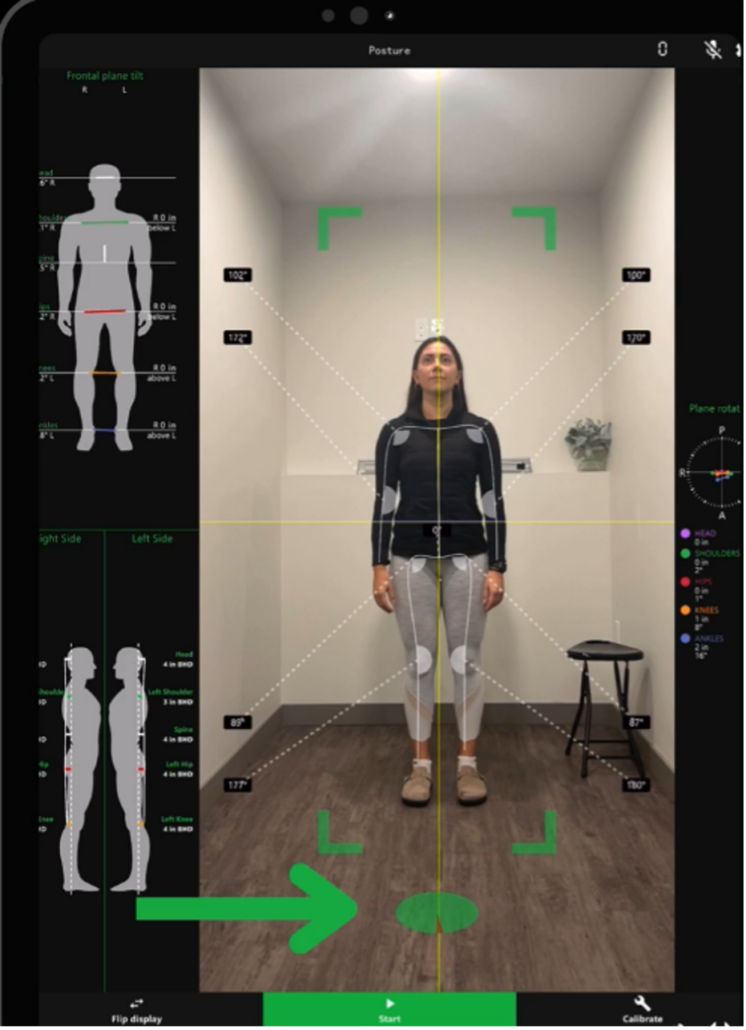
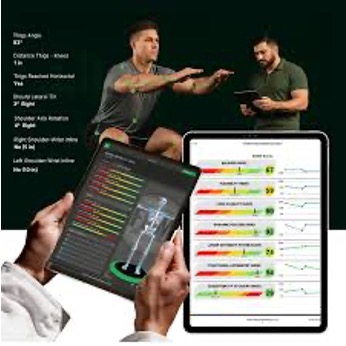
Chiropractors and physical therapists alike use what is called a Function Movement Analysis or exam to measure and evaluate how a person moves, their range of motion in a joint, pain with and without movement and other limitations. In the past our doctors used their observation skills, knowledge of optimal movement and measuring devices to determine how the body is moving and identify limitations. Unfortunately, this knowledge was in the Doc’s head and could not be pictured or shared with the patient very well.
Now with technology we can do so much more. 3D technology can not only accurately track the body’s movement path, but information can be pictured to share results with the patient. These visual pictures can clearly illustrate what is happening inside the body and allow the Information to be compared to normal, measured, and assessed.
Why Is Functional Movement So Important?
Functional movement is how your body actually moves in real life, i.e. walking, bending, reaching, lifting, twisting, balancing, and getting up from a chair. It’s not just about strength or flexibility in one muscle. It’s about how your entire body works together.
Remember everything is connected. Your Body Is a Team, not a Set of Parts. When one area isn’t moving well, your body compensates. Over time, those compensations can lead to:
Pain
Stiffness
Poor balance
Increased injury risk
Slower healing
You might be strong or flexible, but if your movement patterns are off, your body is working harder than it should.
Analogy: If you have a suitcase that has something stuck in a wheel and you pull it through the airport what is going to happen? One wheel will not work and will likely get unnecessary wear and tear, and the other wheels will work harder. Also, the amount of effort to move that suitcase will be greater.
What Does Functional Movement Measure?
We can capture and analyze:
Range of Motion (ROM)
What is ROM? Measurement of how far joints and body parts can move.
Why is ROM important? Measuring ROM tells us if your body is moving to its full capacity. We can compare your measurements with what is considered optimal. Notice we didn’t say normal because what the average person excepts as normal is not always what it best.
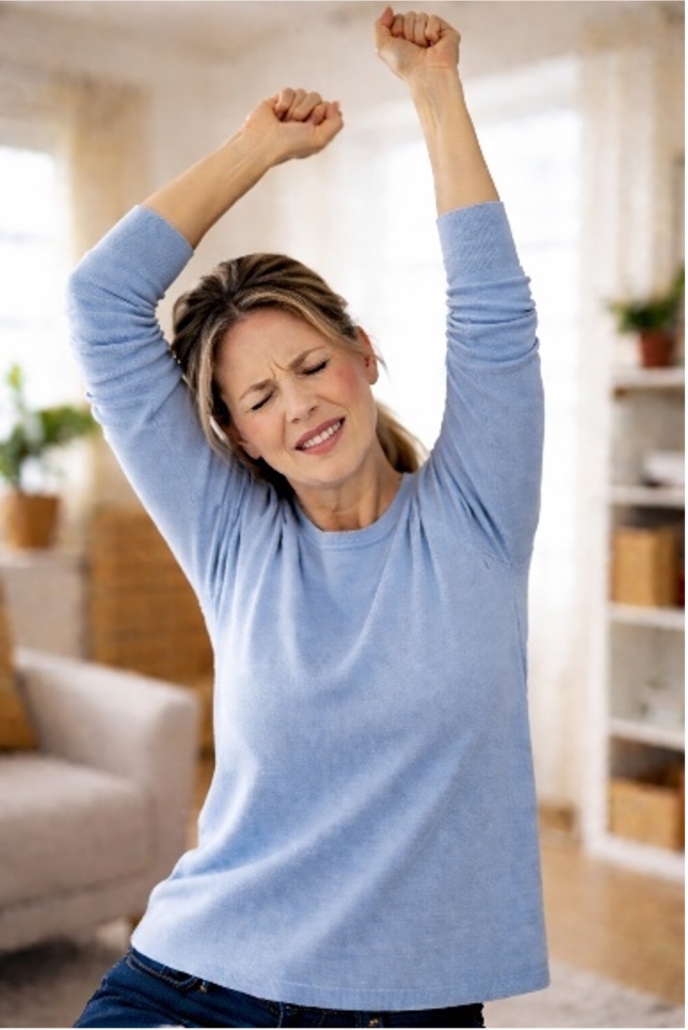
Example:Frozen shoulder is a condition where the shoulder cannot move in its full capacity. The Frozen shoulder has limited the movement in the arm. You can see from the photo this can affect the neck, upper back, and the nerves running down the arm as well.
Posture & Balance
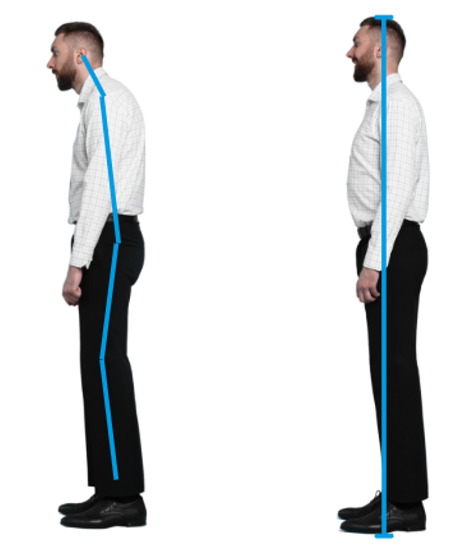
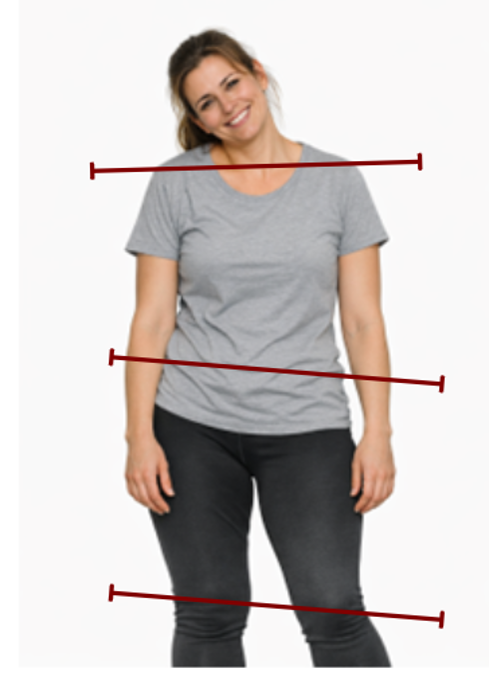
Why is measuring posture and balance important? The body has a visible vertical line down the side from your ears to the shoulder, to the hips, knees and feet. If this line is not straight, then the way your body moves and functions will be altered. You can see in the diagram that changing the alignment of the body makes major physical changes. There are also horizontal lines matching ears, shoulders, and hips.
What does poor posture affect?
Pain, Energy, and Movement. Poor posture places extra stress on joints and muscles, which can lead to back pain, neck pain and headaches.
Stability, gait, balance.
Poor posture will decrease the overall stability of each step which causes unnecessary stress on joints and can also lead to fall risk.
Example:Tech Neck condition where the head is pitched forward. This causes headaches and other problems as the muscles in the neck are strained.
Functional Movement Patterns
Why Is Evaluating Movement Patterns Important?
When the body is using poor movement patterns your body is not moving in the proper pathways. Meaning how you walk, move, stand etc is not correct. When you evaluate the patterns, you can pinpoint asymmetries or dysfunctions.
What does poor Movement Pattern effect?
It’s about how the entire body moves as an integrated system. Many complaints stem from movement dysfunction rather than a single joint issue or a single injury.
Example:Knee/ankle pain can cause changes in the gait pattern when you walk.
3D Functional Movement Exams
Provide a measurable test of how well someone performs real-world movement tasks such as squatting, lunging, reaching, or stepping